
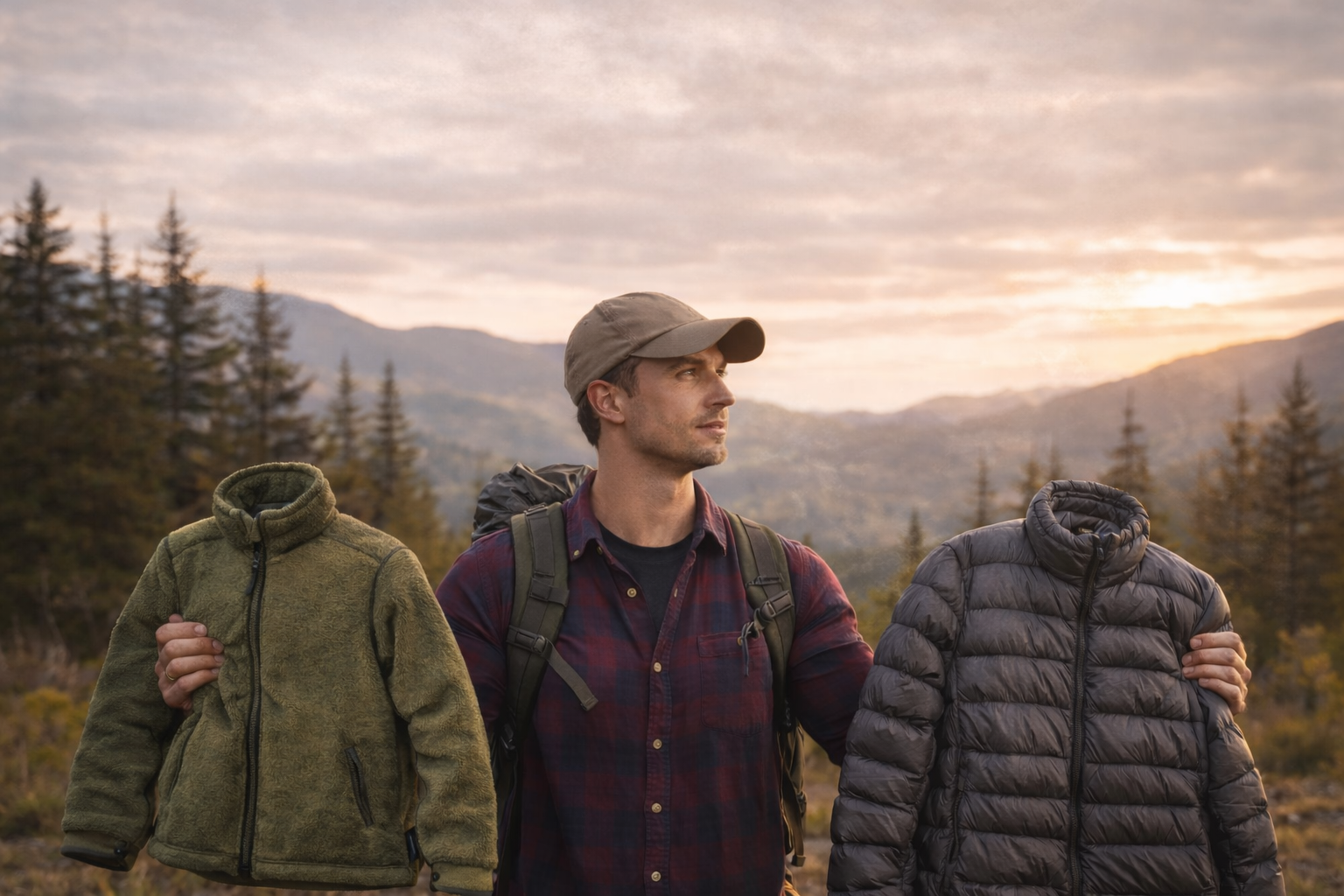
If you are trying to build a hiking layering system for the first time, the mid-layer is often the piece that feels hardest to get right. Most beginners quickly understand the role of a base layer and a shell. The mid-layer is where things get less obvious, because this is the piece that has to add warmth without making you feel clammy, bulky, or overdressed ten minutes into a climb.
That is where many hikers make a mistake. They assume a warmer jacket is automatically the better choice, or they buy whatever looks like a good all-around “cold weather layer” without thinking much about how they actually hike. But the best mid-layer for hiking is not just about warmth. It is about how that layer handles movement, sweat, changing temperatures, rest stops, and the kind of conditions you are most likely to walk in.
For most beginners, the real choice comes down to two common types of insulation: fleece and synthetic puffy jackets. Fleece usually makes more sense for active hiking because it breathes well, stays comfortable when you are moving, and is simple to layer through changing conditions. A synthetic puffy often makes more sense when warmth matters more than breathability, especially for slower outings, colder weather, or hikers who get chilled quickly once they stop.
That is why this guide is not just a list of jackets. The goal here is to help you choose the kind of mid-layer that fits your hiking style first, then show you five beginner-friendly options that make sense within that choice. Three of these picks are fleece layers, and two are down-free insulated jackets. If you have already read our guide to How to Stay Warm Hiking: The 3-Layer System (and 5 Hacks to Pack Less), think of this as the next step: choosing the warmth layer that will make that system work better for you.
This article contains affiliate links. If you purchase through these links, MoreHiking may earn a commission at no additional cost to you. We only recommend gear we trust and have carefully researched.
Fleece vs. Puffy: A Quick Way to Choose Your Mid-Layer
Choosing a hiking mid-layer can feel harder than it should, especially when both fleece and puffy jackets seem like good options. This quick comparison is here to make the choice easier before we get into the details.
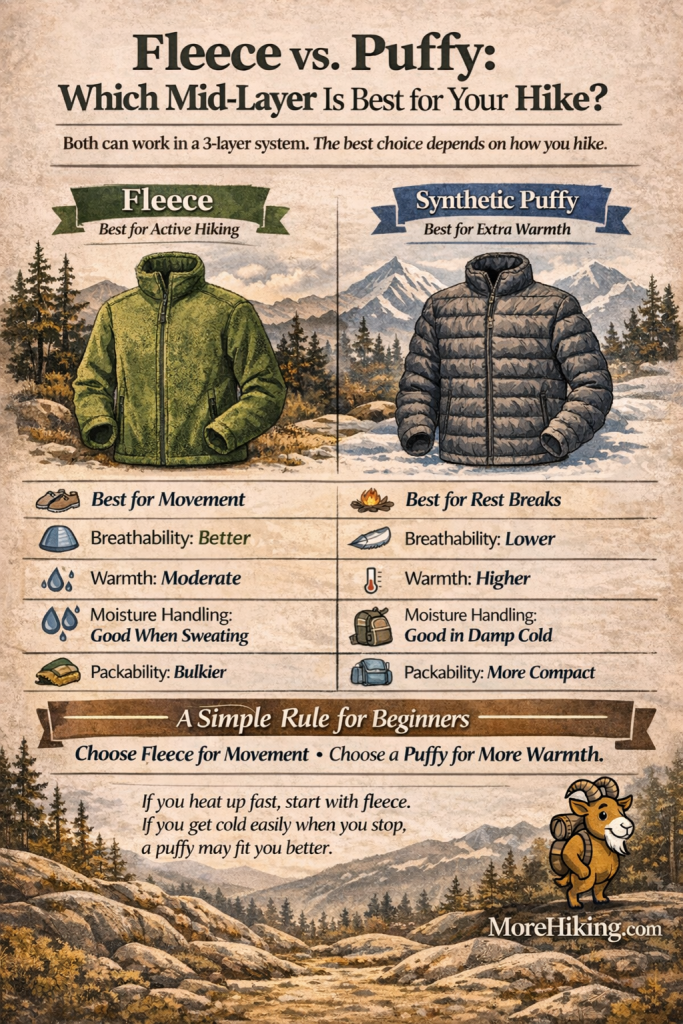
Choose fleece for movement. Choose a puffy for extra warmth.
Fleece vs. Puffy: A Simple Way to Choose Your Mid-Layer
If you are new to layering, this is where most of the confusion usually starts. Both fleece and insulated jackets are called mid-layers, but they do not do the same job on the trail. The real question is not which one is better in general. It is which one fits the way you hike.
If you tend to warm up quickly on climbs or during steady hiking, fleece is often the better place to start. It breathes well and lets heat escape more easily, which helps you stay comfortable instead of damp and overheated. That makes fleece a strong choice for active hiking, especially if your pace stays fairly steady.
A synthetic puffy works differently. Its main job is to trap heat, which is why it usually makes more sense when you stop moving or when the weather is colder. If you often feel chilled during breaks, at viewpoints, or when your pace slows down, a puffy may be the better fit.
For many beginners, fleece ends up being the more forgiving choice because it handles a wider range of movement and temperature changes. But if staying warm at rest is your biggest concern, a lightweight synthetic puffy can make a noticeable difference.
The goal is not to find the perfect jacket on the first try. It is to choose the kind of mid-layer that matches how you actually feel on the trail.
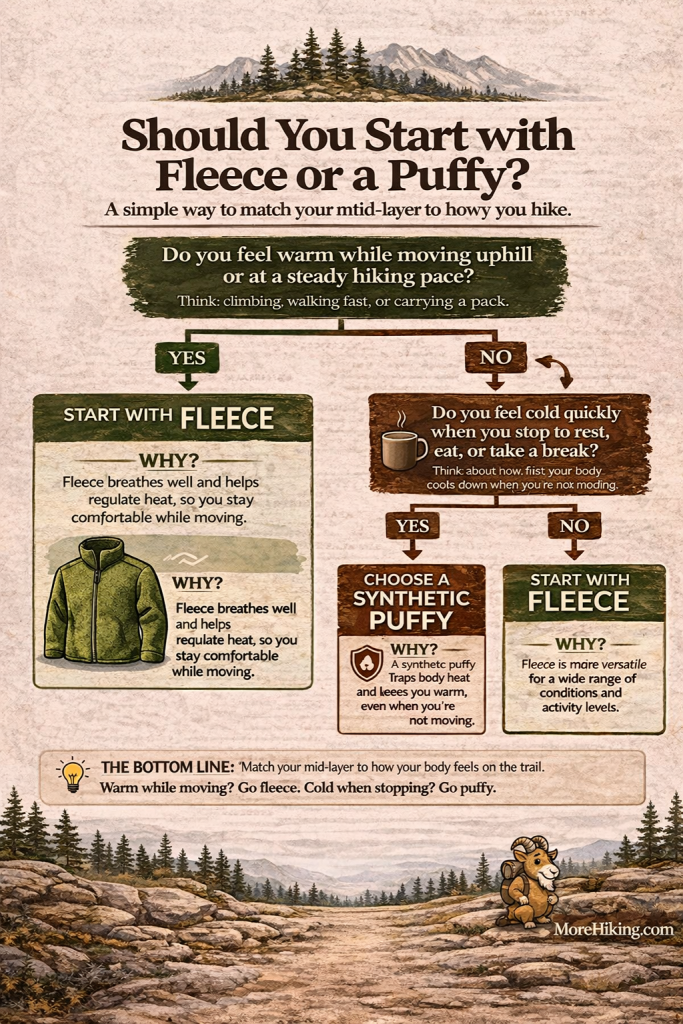
Best Fleece Mid-Layers for Active Hiking
If you tend to warm up while hiking—especially on climbs or when carrying a pack—a fleece is often the easiest place to start. It allows excess heat and moisture to escape while still giving you a noticeable layer of warmth.
The options below are not about chasing technical specs. They are about finding pieces that are comfortable, forgiving, and easy to live with on the trail—especially if you’re still learning how your body reacts in different conditions.
Columbia Steens Mountain Full Zip Fleece
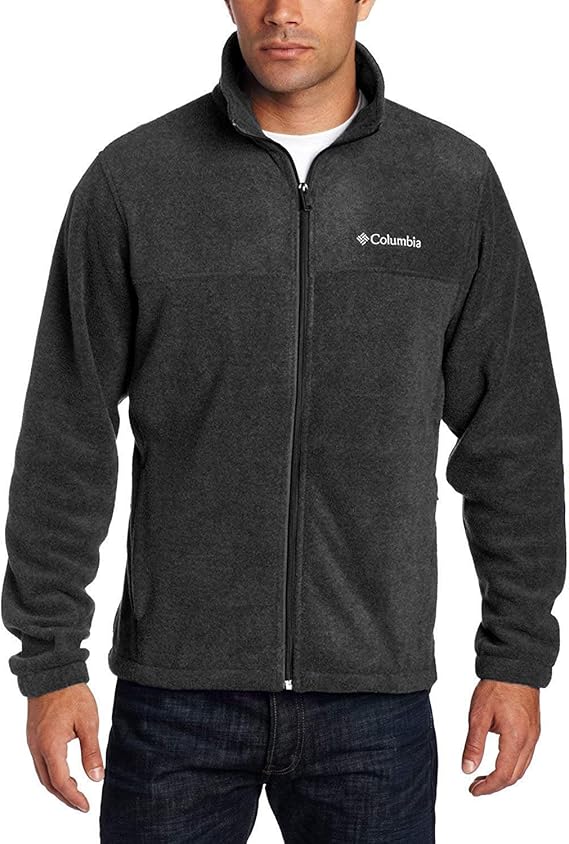
Best for: Beginners who want a simple, reliable layer for steady hiking
This is the kind of fleece that quietly does its job without asking much from you. It’s not overly technical, and that’s exactly why it works so well for beginners. When you’re moving at a steady pace, it provides just enough warmth while still allowing heat to escape before you start to overheat.
It also layers easily under a rain shell, which makes it a practical part of a basic 3-layer system.
Why it works:
- Breathes well during movement, helping prevent overheating
- Soft and comfortable for all-day wear
- Easy to layer without feeling bulky
Watch for:
- Not wind-resistant on its own
- Limited warmth when you stop moving
Check Current Price and Availability at Amazon.
Outdoor Research Vigor Grid Fleece Hoodie
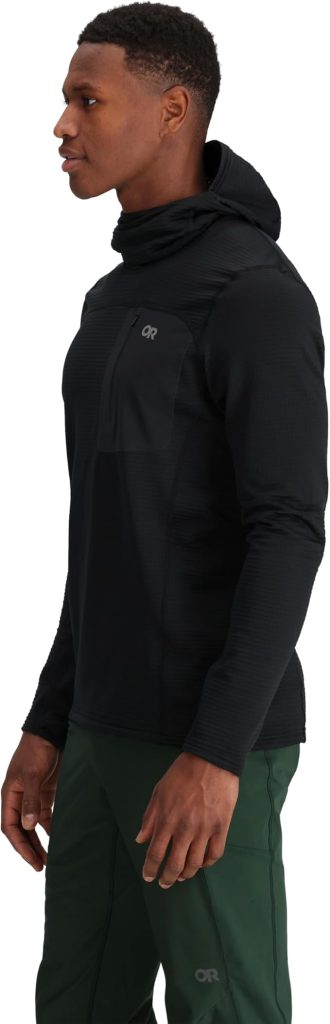
Best for: Hikers who move fast or generate a lot of heat
This fleece leans more technical, but in a way that actually benefits beginners who run warm. The grid design helps regulate temperature more actively, meaning you can push a bit harder without immediately needing to remove a layer.
If you’ve ever found yourself constantly stopping to adjust clothing, this type of fleece helps smooth that out.
Why it works:
- Excellent temperature regulation during high output
- Lightweight and easy to pack
- Works well across a wide range of conditions
Watch for:
- Less warmth during long breaks
- Slightly more expensive than basic fleece options
Check Current Price and Availability at Amazon.
The North Face TKA Glacier Fleece
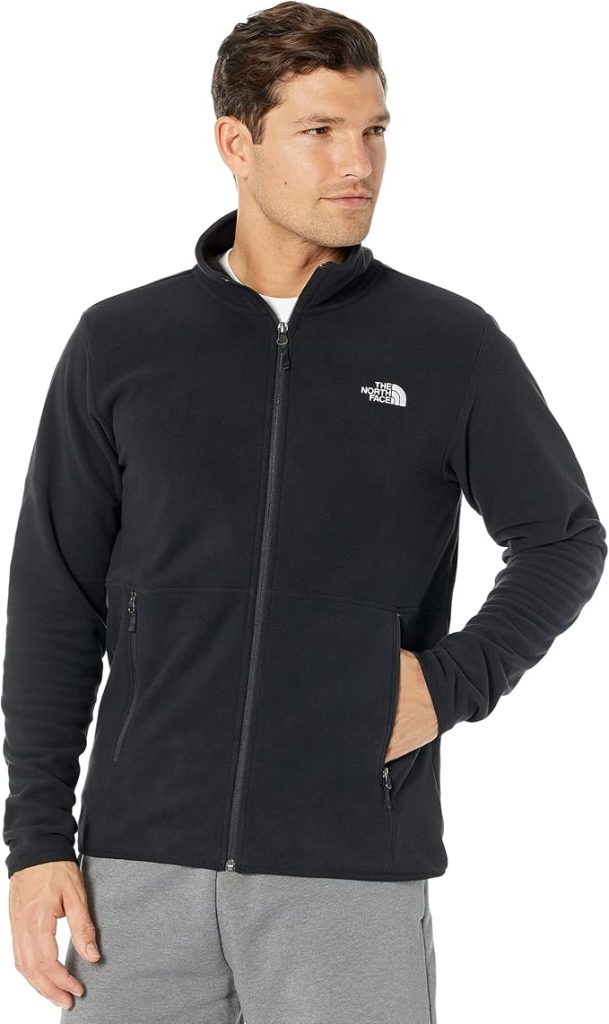
Best for: Lightweight layering and mild conditions
If you’re hiking in moderate conditions or just starting to build your layering system, this fleece is a strong middle ground. It’s lighter than traditional fleece, which makes it easier to carry and more adaptable across changing temperatures.
It’s not designed for harsh cold—but that’s not the point. It’s designed to keep you comfortable while moving.
Why it works:
- Lightweight and packable
- Simple and versatile for most conditions
- Dries quickly if you work up a sweat
Watch for:
- Limited insulation in colder weather
- Better as part of a system than a standalone layer
Check Current Price and Availability at Amazon.
Best Synthetic Puffy Jackets for Staying Warm at Rest
If fleece helps you stay comfortable while moving, a synthetic puffy solves the opposite problem—keeping you warm when you stop.
This is the layer you reach for during breaks, at camp, or anytime your body stops generating heat. Instead of releasing warmth like fleece, a puffy is designed to trap it. That makes it one of the most noticeable upgrades you can make to your comfort on the trail.
The options below focus on what matters most for beginners: reliable warmth, simple layering, and performance in real-world conditions—especially when moisture or changing weather is involved.
Patagonia Nano Puff Jacket
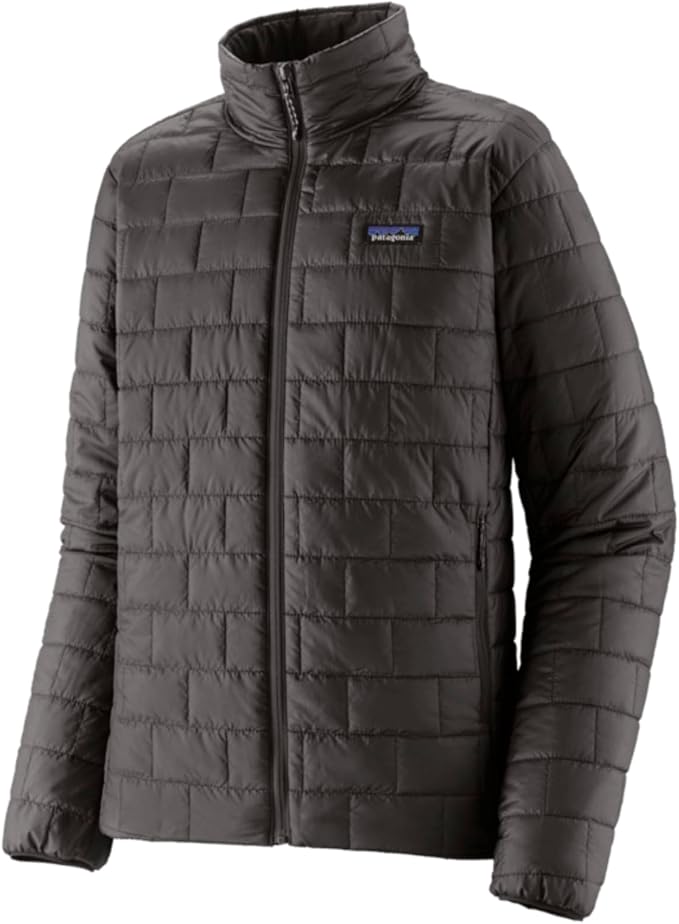
Best for: Reliable warmth in a wide range of conditions
This is one of the most well-known synthetic puffies for a reason. It strikes a balance between warmth, weight, and packability that makes it easy to carry and easy to use.
For beginners, the biggest advantage is consistency. Whether you’re taking a break on a windy ridge or settling into camp, it provides dependable warmth without requiring much thought.
Why it works:
- Retains warmth even in damp or humid conditions
- Lightweight and compressible for easy packing
- Simple, reliable performance across different environments
Watch for:
- Not as breathable if you try to hike in it
- Higher price compared to entry-level options
Check Current Price and Availability at Amazon.
Arc’teryx Atom LT Hoody
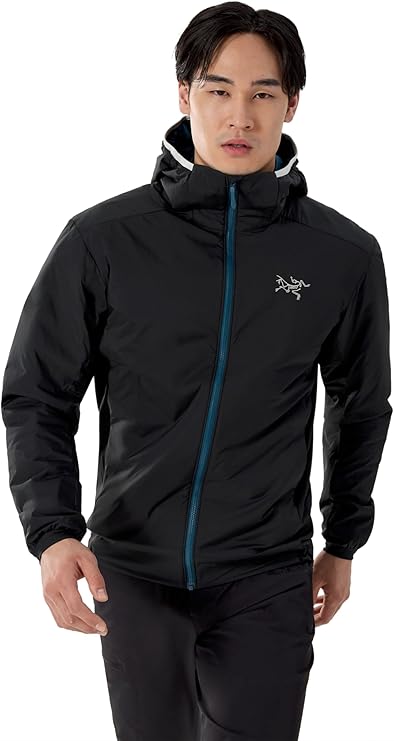
Best for: Mixed conditions where you’re stopping and starting often
This jacket sits right between a fleece and a traditional puffy. It offers insulation where you need it, but with enough breathability that you don’t immediately overheat if you stay in motion.
If your hikes involve frequent stops, changing terrain, or variable weather, this kind of “hybrid” puffy can feel more forgiving.
Why it works:
- Balances warmth and breathability better than most puffies
- Handles stop-and-go hiking well
- Comfortable and easy to layer under a shell
Watch for:
- Less warm than a true puffy when fully at rest
- Premium price point
Check Current Price and Availability at Amazon.
Columbia Powder Lite II Hooded Jacket
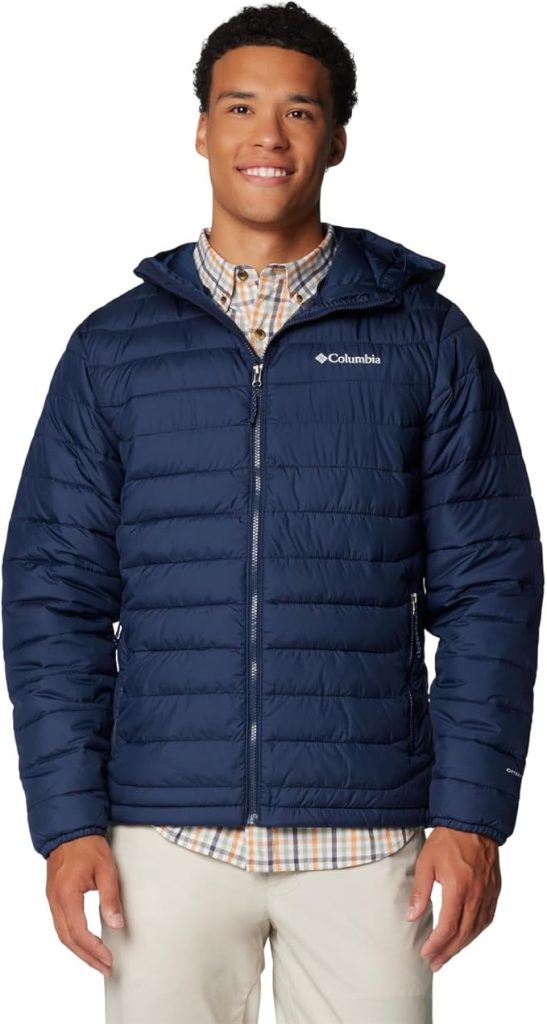
Best for: Budget-friendly warmth for beginners
If you’re just starting to build your layering system, this is a very approachable entry point. It provides noticeable warmth without requiring a large investment, which makes it ideal for learning what works for you.
It’s not the most technical option—but it doesn’t need to be. It simply does what most beginners need: keeps you warm when you stop.
Why it works:
- Good warmth for the price
- Easy to use and layer over other clothing
- Widely available and beginner-friendly
Watch for:
- Bulkier than higher-end options
- Less breathable during movement
Check Current Price and Availability at Amazon.
Building Your System Over Time
Most hikers don’t get this perfect on their first try—and that’s okay.
You might start with a fleece because it feels more comfortable while moving, then add a puffy later once you notice how quickly you cool down during breaks. Over time, these layers start to work together as a system rather than individual pieces of gear.
The goal isn’t to carry more—it’s to carry what actually works for you.
Conclusion
The best mid-layer for hiking is rarely the one with the biggest promise on the tag. It is the one that makes sense for the way you move, the temperatures you actually hike in, and the point in the day when you usually start to feel cold. That is why this decision becomes easier once you stop asking, “Which jacket is best?” and start asking, “What kind of warmth problem am I really trying to solve?”
If you tend to heat up quickly, climb hard, or want a layer that stays comfortable while you are still moving, fleece is usually the better place to begin. If you are more concerned about staying warm during breaks, cooler starts, exposed ridgelines, or lower-output days, a synthetic puffy may be the better fit. In other words, the best mid-layer for hiking is personal. It depends less on brand names and more on how your body responds to the trail.
That is also why your mid-layer should not be chosen in isolation. It works best when it is part of a full system. Your base layer helps manage moisture, your mid-layer helps hold warmth, and your outer layer protects that warmth from wind and precipitation. If you are still building that system out, head back to How to Stay Warm Hiking: The 3-Layer System (and 5 Hacks to Pack Less) so you can see how all three pieces work together before you decide which mid-layer belongs in your pack.
If you have enjoyed this article, please also read our other post.




Leave a Reply