
This content was updated: 31 Oct 2026
Out on the trail, weather can change in a heartbeat. That’s why carrying a compact emergency shelter is a smart move. Lightweight emergency tents fit into a hiking pack without taking up much space and can provide temporary protection if unexpected weather, an injury, or a delay leaves you exposed.
The Go Time Gear Mylar Emergency Tent is a practical choice for hikers seeking a reflective emergency shelter with signaling accessories. The Rothco Survival Tent offers a simple, budget-conscious alternative, while Coghlan’s Tube Tent provides a nonreflective option with a bright orange design. Frelaxy’s Extra-Thick Emergency Tent adds convenient storage accessories and an emphasis on compact construction.
These four emergency tents are intended for temporary use rather than routine camping. Their materials and designs can help provide a barrier against wind and precipitation, but none should be treated as a substitute for proper clothing, insulation, and a conventional tent when overnight camping is planned.
Please enjoy our reviews below. Some links on this page are affiliate links. If you buy through these links, we may earn a commission at no extra cost to you. This helps support our site and allows us to continue producing helpful hiking content.
1. Go Time Gear 2-person Mylar Emergency Tent

The Go Time Gear 2-Person Mylar Emergency Tent is a compact shelter for outdoor enthusiasts, hikers, and backpackers who want backup protection during unexpected situations. Its lightweight tube-style design is suitable for carrying in a daypack or emergency kit.
The reflective Mylar material is intended to help reduce radiant heat loss, while the shelter provides a temporary barrier against wind and precipitation when set up appropriately. This makes it a useful emergency preparedness item, although it should not be confused with a conventional four-season camping tent.
Pros:
- Lightweight and easy to carry, making it suitable for hiking and backpacking.
- Reflective material can help reduce radiant heat loss.
- Includes a whistle for emergency signaling.
- Comes with paracord for basic shelter setup.
- Bright orange material can improve visibility.
Cons:
- Limited space for two occupants and their gear.
- Thin Mylar material can tear if handled carelessly.
- Basic design provides limited comfort and ventilation.
- Requires suitable anchoring to set up effectively.
The Go Time Gear 2-Person Mylar Emergency Tent features a reflective surface designed to help conserve body heat by reducing radiant heat loss. This may be valuable when an unexpected delay leaves a hiker exposed to cold conditions. However, reflective material does not generate warmth or provide substantial insulation by itself. Ground insulation and suitable clothing remain important.
The bright orange material can make the shelter easier to spot, while the included whistle provides a useful way to attract attention. The paracord helps with setting up the shelter between suitable anchor points. Its compact design allows hikers to carry emergency shelter equipment without adding the bulk of a regular tent.
For hikers who want a lightweight, reflective emergency tent with basic signaling accessories, the Go Time Gear model is a practical option. It is intended for temporary protection, not extended camping in severe weather.
Check Current Price and Availability at Amazon.
2. Rothco Survival Tent
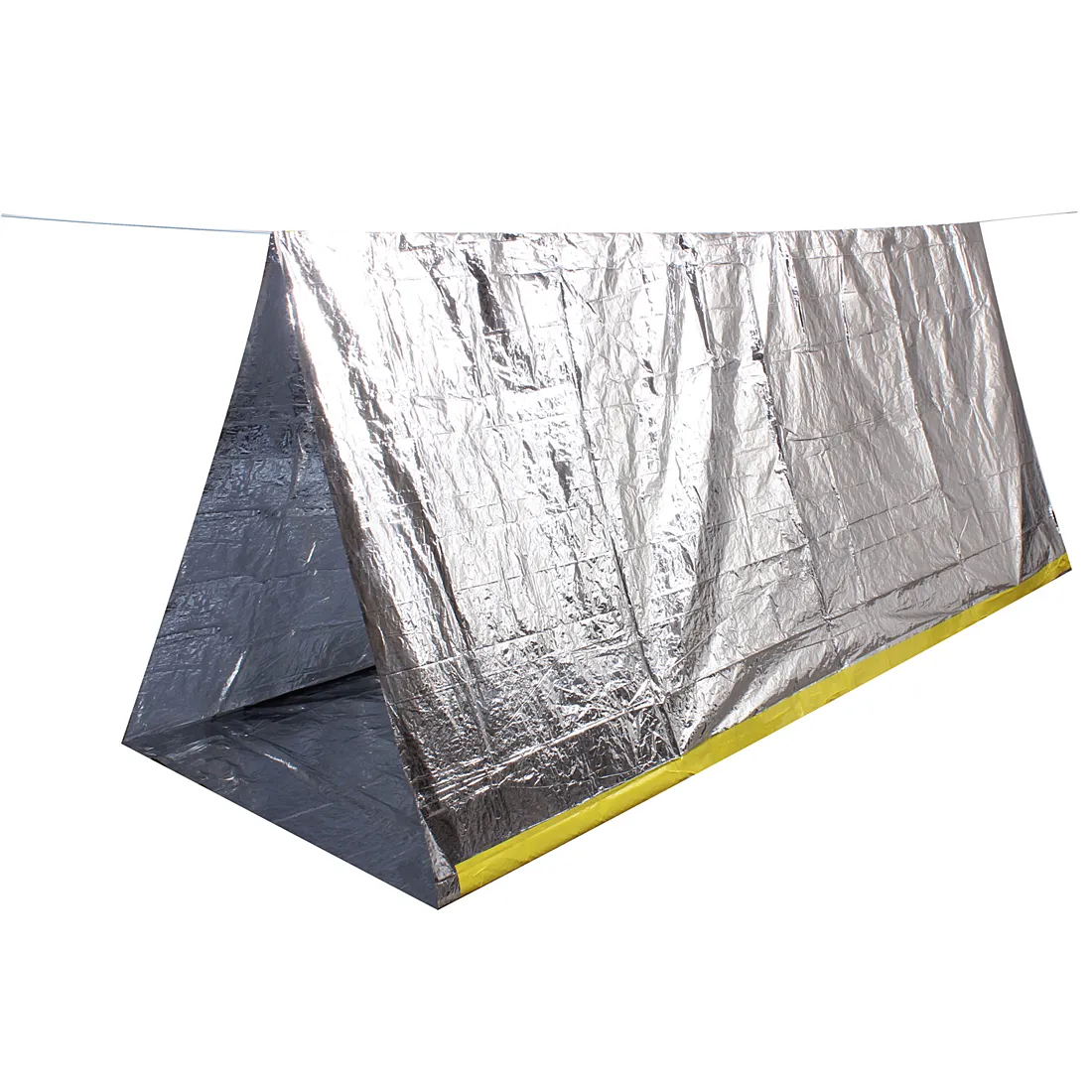
The Rothco Survival Tent is a straightforward emergency shelter for hikers who want a compact and affordable addition to their preparedness equipment. Its reflective tube-style construction provides temporary protection without the poles and other components typically found in conventional camping tents.
The tent is designed for emergency use by up to two people. Its reflective material can help reduce radiant heat loss, while the shelter can provide a basic barrier against wind and precipitation when properly assembled.
Pros:
- Simple, compact construction.
- Affordable option for emergency preparedness.
- Reflective material can help reduce radiant heat loss.
- Designed for temporary two-person shelter.
- Includes cord for basic setup.
Cons:
- Limited interior space and ventilation.
- Requires suitable anchor points for setup.
- Lightweight material can be damaged by rough handling.
- Does not provide substantial insulation from cold ground.
The Rothco Survival Tent’s main advantage is simplicity. It offers a compact shelter that can be included in a hiking emergency kit without the complexity of a conventional tent. The reflective construction may help limit radiant heat loss during an unexpected delay or emergency.
Its basic design also has limitations. Proper anchoring is important, and hikers should not assume that reflective material alone will keep them warm or dry. Wind-driven rain, condensation, exposed ground, and the way the tent is positioned can all affect its performance.
For budget-conscious hikers who want an uncomplicated reflective emergency shelter, the Rothco Survival Tent is a reasonable choice when combined with suitable clothing, insulation, and other emergency equipment.
Check Current Price and Availability at OpticsPlanet.
3. Coghlan’s Tube Tent
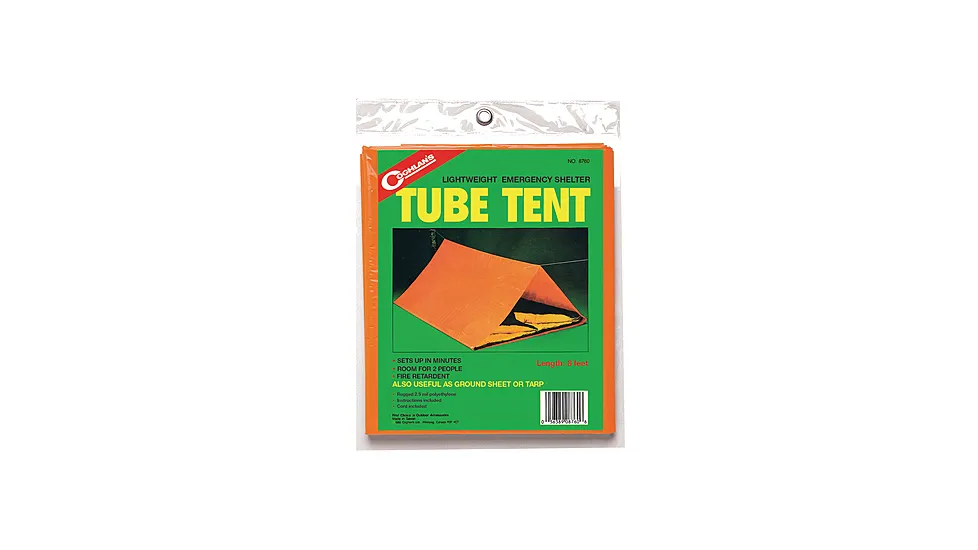
Coghlan’s Tube Tent offers a simple alternative to reflective Mylar emergency shelters. Its bright orange polyethylene construction is intended to provide a temporary barrier against wind and precipitation, making it a practical addition to an emergency kit.
This tube-style shelter is designed for temporary two-person emergency use and includes cord for setup. Unlike reflective emergency tents, it does not use a metallic reflective surface to help reduce radiant heat loss. Its principal benefits are straightforward construction, compact storage, and visibility.
Pros:
- Simple emergency tube-tent construction.
- Bright orange material can improve visibility.
- Provides a temporary barrier against wind and precipitation.
- Includes cord for shelter setup.
- Offers a nonreflective alternative to Mylar emergency tents.
Cons:
- Does not provide the radiant heat reflection of Mylar-style shelters.
- Limited space and ventilation.
- Requires appropriate anchor points and careful setup.
- Provides no substantial ground insulation.
The Coghlan’s Tube Tent is particularly suitable for hikers who prefer a basic emergency shelter without reflective material. The bright orange polyethylene can provide a temporary protective barrier and may help make a shelter more visible in an emergency.
Its lack of reflective material is worth considering. Hikers should not expect the tent itself to retain body heat in the same manner as a reflective shelter, and even reflective tents cannot replace proper insulation. Clothing, ground protection, and sensible campsite selection remain important.
For those seeking a straightforward, nonreflective emergency tent, Coghlan’s offers a practical option. Learning how to pitch it before a trip is important, since suitable setup conditions may not always be available during an unexpected emergency.
Check Current Price and Availability at CampSaver.
4. Frelaxy Extra-thick Emergency Tent

The Frelaxy Extra-Thick Emergency Tent is designed for outdoor enthusiasts, backpackers, and hikers who want a compact backup shelter with useful accessories. Its packable construction makes it convenient to include in hiking emergency equipment.
The product is marketed as using extra-thick material and includes setup cord, a whistle, a storage pouch, and a protective EVA case. These features may appeal to hikers who want an organized emergency shelter kit that is easy to carry and store.
Pros:
- Compact design allows for easy transport.
- Advertised thicker material may appeal to hikers concerned about handling.
- Includes cord for shelter setup.
- Comes with a whistle for emergency signaling.
- Storage pouch and EVA case provide convenient storage.
Cons:
- Advertised thickness does not guarantee greater durability.
- Limited interior space and ventilation.
- Requires appropriate anchoring and careful setup.
- Not intended for routine camping or prolonged severe-weather exposure.
The Frelaxy Extra-Thick Emergency Tent stands out through its combination of compact construction and storage accessories. The pouch and protective case help keep the shelter organized, which can be useful when carrying emergency equipment in a hiking pack.
The included cord provides a way to set up the shelter between suitable anchor points, while the whistle offers an additional method of signaling for help. These accessories add convenience, but they do not eliminate the need to practice setup before an emergency.
Although the extra-thick material is a distinguishing product feature, it should not be treated as a guarantee of resistance to wind, rain, or tearing. The Frelaxy tent remains a temporary emergency shelter. For hikers who value compact storage and included accessories, it is worth considering.
Check Current Price and Availability at Amazon.
Frequently Asked Questions
What Is a Mylar Emergency Tent?
A Mylar emergency tent is a lightweight, portable shelter made from reflective material. It can help reduce radiant heat loss and provide temporary protection from wind and precipitation when properly set up. It does not generate heat or provide the insulation of a conventional camping tent.
Should I Choose a Reflective or Nonreflective Emergency Tent?
Reflective emergency tents may help reduce radiant heat loss, while nonreflective polyethylene tents provide a basic physical barrier against wind and precipitation. The better choice depends on your needs, the conditions, and the shelter’s construction. Neither type provides substantial insulation on its own.
Can an Emergency Tent Replace a Four-Season Camping Tent?
No. Compact emergency tube tents are intended for temporary use. They generally lack the structural support, insulation, ventilation, and durability required for routine camping in severe conditions. A conventional four-season tent is designed for different demands.
Are Emergency Shelters Waterproof?
Some emergency tents use waterproof or water-resistant materials, but this does not guarantee a completely dry shelter. Open ends, condensation, ground moisture, wind-driven rain, and setup methods can all affect their performance. Proper placement, anchoring, and ground insulation remain important.
What Is Included in a Survival Shelter Kit?
Contents vary by product. Some emergency tent kits include setup cord, a whistle, a storage pouch, or a protective case. Always check the individual product description and practice setting up your shelter before relying on it during an emergency.
Conclusion
Choosing an emergency shelter is an important part of hiking preparedness. The four tents discussed offer different approaches to temporary protection while remaining compact enough to carry as backup equipment.
The Go Time Gear and Rothco tents offer reflective construction, while Coghlan’s provides a straightforward nonreflective alternative. Frelaxy’s Extra-Thick Emergency Tent adds convenient storage accessories. Each has features and limitations worth considering before making a purchase.
Reflective emergency shelters can help reduce radiant heat loss, but they do not create warmth or guarantee protection against hypothermia. Similarly, water-resistant materials do not guarantee that occupants will remain dry in every situation. Emergency tents should be combined with appropriate clothing, insulation, navigation equipment, and a sensible plan.
Consider your hiking conditions, the shelter’s packed size, its setup requirements, and your emergency preparedness needs before choosing. A shelter you know how to use can be a valuable addition to your equipment when an unexpected situation arises.
If you’re interested in minimalist approaches to protecting yourself from ground moisture, you may also find this guide helpful.




Leave a Reply